
A beautiful noise
We all have our own music, but should we be telling others what to listen to?
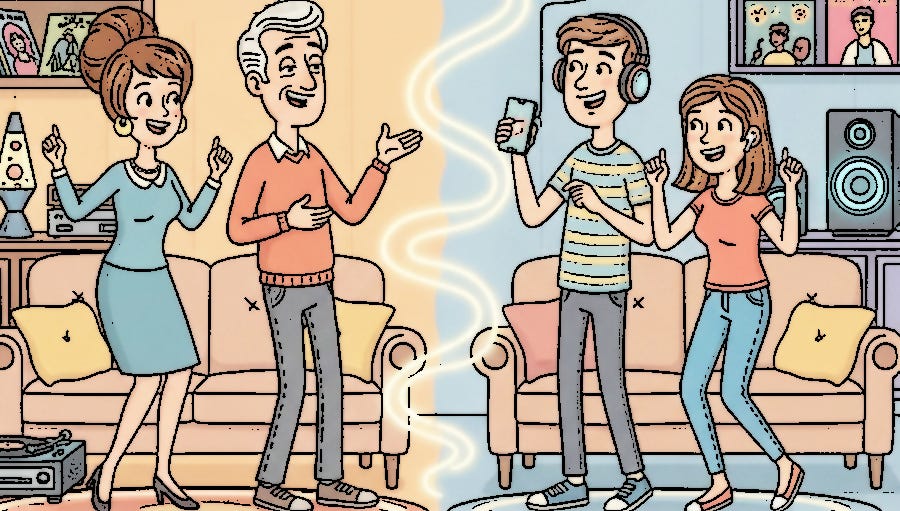
If you grew up in the 1960s, you didn’t just listen to songs; you lived through a musical revolution.
We were the generation that traded the safe crooning of our parents’ Bing Crosby records for the electric snarl of Hendrix and the poetic complexity of Sgt Pepper. We were the pioneers of the “generation gap”, defined largely by the “noise” our parents claimed would rot our brains.
Now, as we navigate our 60s, a curious question arises: Have we become the very people we once rebelled against, or did that radical upbringing bake a permanent sense of curiosity into our DNA?
Psychologists speak of the “reminiscence bump”, which is the idea that our musical tastes lock in between the ages of 13 and 25.
For those of us in Generation Jones, those years coincided with a world shifting on its axis, making our bond with 60s folk, rock and soul feel less like a preference and more like a core identity.
It is only natural that a Motown bassline or a fuzzy guitar riff triggers a visceral joy that a modern, programmed pop track simply cannot replicate. Yet, unlike our grandparents — who often dismissed rock ’n’ roll as “anti-music” on principle — many of us have remained surprisingly agile.
Because the music of our youth was built on experimentation, we never quite lost the knack for following a thread. We evolved through the soulful 70s, the synth-driven 80s, and even the grit of 90s grunge.
We don’t necessarily reject the “new”; rather, we approach it with a level of discernment our forebears lacked.
We might find today’s digital algorithms and heavy auto-tune alienating, but it isn’t out of a refusal to listen. Instead, we are searching for the “human” element — the slight imperfection of a live drum hit or a raw, unpolished vocal take that reminds us of the garage bands we once loved.
Ultimately, we aren’t our parents. We’ve traded the fiery rebellion of the 60s for a refined, vintage perspective. We might not have the latest chart-toppers on repeat, but we are far more likely to let our grandkids take over the car stereo than our elders ever were.
We’ve learned that while the rhythm changes, the search for a song that “means something” remains the same. While we still appreciate a good hook, we just secretly think most of them could use a bit more cowbell.
If you like what I’m doing here, you may want to buy me a coffee.